Is abortion ethical? It’s one of the defining ethical debates of our time. The truth is, multiple factors should be taken into account when answering this question. The following overview offers thoughtful, research-informed insight into an issue that humanity has debated for thousands of years.
Abortion is considered ethical by some people and unethical by others depending on how they weigh factors such as the value of unborn life, a woman’s bodily autonomy, medical considerations, and personal or religious beliefs. Because these perspectives differ, the ethical debate surrounding abortion continues to be widely discussed in medicine, philosophy, law, and faith communities.
Is a Fetus Considered Human Life?
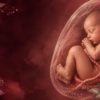
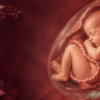
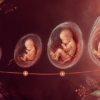
Many scientists acknowledge that a unique human organism begins forming at conception, when a woman’s egg is fertilized by a man’s sperm. Geneticists such as Drs. Jerome Lejeune and Theodosius Dobzhansky have written about this biological starting point of human development. Christians have long held that unborn life has value and dignity, drawing on passages in the Bible that describe God’s care for life even before birth.
Even many people who support abortion rights acknowledge that a fetus is biologically human life. However, some make a distinction between a biological human and what they define as a “person,” often describing a person as someone capable of consciousness, rational thought, and language.
One ethical question raised by this distinction is that there are individuals alive today who may not fully meet these criteria due to severe brain injury or neurological disorders. For example, some adults and children live in a vegetative state yet are still widely considered deserving of care and protection. These situations raise important philosophical questions about how society defines personhood and human dignity.
How Does Bodily Autonomy Factor Into the Ethics of Abortion?
Many advocates argue that restricting abortion limits a woman’s ability to control her own body and make decisions about her medical care. Some also note that unexpected pregnancy can present serious financial and personal challenges. Many women seeking abortion come from difficult economic circumstances and may feel that continuing a pregnancy could make completing their education or maintaining a stable career much more difficult.
Additionally, many women who consider abortion already have children. The arrival of another baby may create concerns about providing adequate care and stability for their existing family, particularly for women who lack strong emotional or practical support systems.
At the same time, others believe ethical discussions about abortion should also consider the developing life of the unborn child. For many people of faith, this perspective emphasizes compassion and support for both mother and child rather than viewing the issue only through one lens.
Should Abortion Be Safe and Legal?
The World Health Organization estimates that a percentage of maternal deaths worldwide are associated with unsafe abortion. In addition, millions of women require hospital treatment each year due to complications from unsafe procedures.
Because of these statistics, some advocates argue that access to safe and legal abortion reduces health risks for women.
Others point out that decisions about abortion can also involve emotional and mental health considerations. Some women report experiencing grief, stress, or other emotional challenges following an abortion. While experiences vary widely, these potential impacts are part of the broader conversation about abortion and women’s health.
Is Abortion Ethical in Cases of Rape or Incest?
This is one of the most difficult and emotionally complex questions in the abortion debate. Many people recognize that it can feel deeply unfair for a woman who has experienced sexual violence to carry a pregnancy resulting from that trauma.
Victims of rape or incest may struggle with lasting emotional and psychological effects, which can make the prospect of continuing a pregnancy especially challenging.
At the same time, others point out that the unborn child is also a human life and is not responsible for the crime committed against the mother. For this reason, these cases often involve deeply personal moral considerations and strong emotions on all sides.
What Alternatives to Abortion Exist?
Another part of the abortion debate focuses on alternatives such as adoption. In these situations, a woman may choose to carry the pregnancy to term while placing the child with an adoptive family.
Adoption allows the child to grow up in a loving home while allowing the birth mother to pursue her own life goals. Many adoption agencies that help birth mothers find adoptive families also assist with medical costs and provide emotional and practical support during pregnancy.
While adoption can be an emotionally difficult decision, some believe it offers a meaningful option for women who feel unable to parent but still wish to give their child the opportunity for life.
How Do Cultural Attitudes Influence the Abortion Debate?
It is also important to recognize that changing societal and cultural attitudes have influenced the abortion debate. In many places, there is less stigma surrounding single motherhood than in previous generations. As a result, some women who may have felt pressured toward abortion in the past may now feel more supported in choosing to continue their pregnancies.
At the same time, modern expectations around education, career development, and financial stability can create pressures that influence how women approach pregnancy decisions.
Can Doctors Refuse to Perform Abortions?
Another ethical question involves the rights of medical professionals. If individuals are granted the right to make personal medical decisions, some argue that doctors and nurses should also be allowed to practice medicine according to their ethical or religious convictions.
For this reason, many healthcare systems allow medical professionals to decline participation in abortion procedures if doing so conflicts with their beliefs. However, medical professionals also have a responsibility to provide appropriate care in situations where a woman’s life is in immediate danger.
Abortion can seem like the best option in some circumstances, but it is also a deeply complex moral and ethical issue. A woman facing an unexpected pregnancy may benefit from taking time to consider all of her options and the possible implications of each decision.
A local pregnancy center, like the ones Caring Network operates, can help in the decision-making process by providing free early pregnancy services, counseling options, and practical support for women navigating an unexpected pregnancy.
Sources:
Steinbock, Bonnie; Abortion; 2022, June 27; The Hastings CenterVegetative State; Merck Manuals Consumer Version
Abortion; World Health Organization
Reardon, David C.; The Abortion and Mental Health Controversy; National Library of Medicine
Physical Health Problems of People with Mental Illness; White Swan Foundation
Fact Sheet: Science of Fetal Pain; Charlotte Lozier Institute
Ciancio, Susan; Alternatives to Abortion; Human Life International