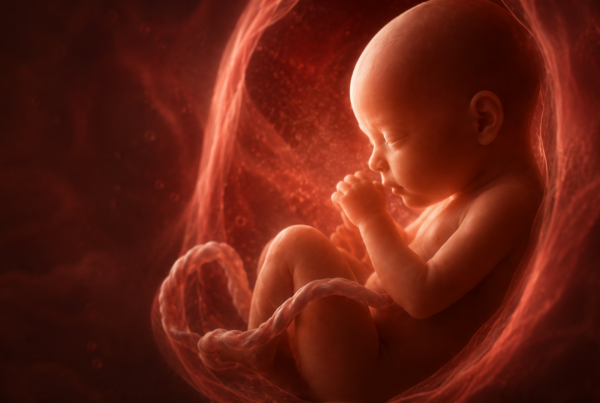
The question of when human life begins has been debated for centuries across science, philosophy, religion, law, and ethics. The answer shapes how many people view abortion, pregnancy, fetal development, and
human rights.
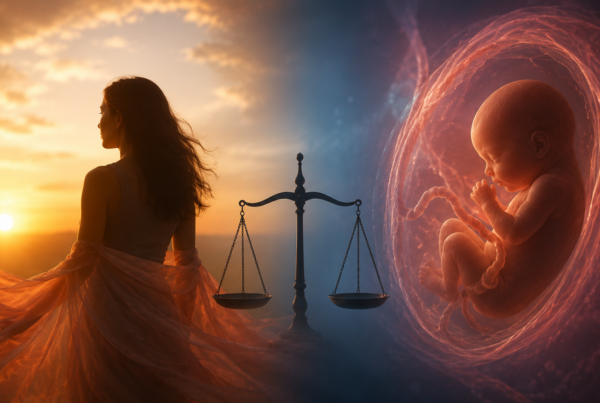
Some argue that human life begins at conception, when a unique genetic code is formed. Others focus on milestones such as heartbeat detection, brain activity, viability, or birth itself. The discussion is not only scientific — but also deeply ethical and philosophical.
Understanding the debate requires considering biology, medical development, moral reasoning, and differing worldviews. While people may disagree on conclusions, the question remains one of today’s most significant ethical discussions.
What Happens at Conception?
At conception, a sperm and egg combine to form a zygote containing a complete and unique set of human DNA. This new organism immediately begins a continuous process of growth and development.
According to the National Institutes of Health (NIH), fertilization begins a complex biological process of human development that continues throughout pregnancy. Medical resources such as the Mayo Clinic and Cleveland Clinic also outline how rapidly development begins after conception.
Many people who believe human life begins at conception point to this moment because unique DNA is established, growth begins immediately, and development continues without interruption. These questions are closely connected to broader debates surrounding fetal personhood and
abortion ethics.
Scientific Definitions of Human Life
Science can describe biological processes, but ethical interpretation often goes beyond science alone.
Biologists generally agree that human development begins at fertilization, though debates arise over what characteristics define moral or legal personhood.
Different milestones often discussed include heartbeat detection, brain activity, viability, and birth itself. These discussions often connect to broader questions involving bodily autonomy and unborn life.
Is a Fetus Biologically Human?
From a biological perspective, a fetus is human in species classification because it contains human DNA and develops as a human organism.
The debate is usually not whether a fetus is biologically human, but rather what moral status the fetus has, when personhood begins, and when legal protections should apply. This distinction is important because scientific facts and ethical conclusions are not always identical.
Questions surrounding biological humanity often lead to discussions about when personhood begins and how society
defines moral status.
Philosophical Views on When Human Life Begins
Philosophers have debated the beginning of human life for thousands of years. Some ethical frameworks argue that human value begins immediately because every human organism has the inherent potential to mature into adulthood. Others focus on characteristics such as consciousness, self-awareness, reasoning ability, or independence.
The Stanford Encyclopedia of Philosophy discusses how personhood theories influence modern ethical discussions surrounding abortion and reproductive rights. Different philosophical perspectives often lead to very different conclusions about abortion ethics and fetal rights. These ethical discussions become even more significant in debates involving late-term abortion.
Religious Perspectives on Human Life
Many religious traditions have teachings about the beginning of life and the moral significance of pregnancy.
Many Christians believe life begins at conception and view human life as sacred from its earliest stages. Catholic teaching strongly emphasizes the protection of life from conception onward. Other faith traditions may place emphasis on different developmental milestones or maternal health considerations.
Religious beliefs continue to shape cultural and ethical conversations surrounding abortion and reproductive ethics worldwide.
Different faith traditions also approach abortion differently, which is explored further in religious perspectives on abortion.
Why the Debate Matters Ethically
The question of when does human life begin influences discussions about abortion laws, medical ethics, reproductive rights, fetal development, personhood, parental responsibility, and healthcare policy.
For some people, the issue centers on protecting unborn human life. For others, it centers on autonomy, healthcare access, and individual freedom.
Because the discussion involves science, ethics, law, philosophy, and religion, it remains one of the most debated issues in society.
Frequently Asked Questions
Does science say life begins at conception?
Many biologists describe fertilization as the beginning of a new human organism, though ethical interpretations differ.
Is a fetus considered human?
Biologically, a fetus is human. Ethical debates focus more on personhood and moral status.
Why is viability important in abortion debates?
Viability refers to the stage when a baby may survive outside the womb and is often discussed in legal and ethical frameworks.
What is personhood?
Personhood refers to the qualities or status that give an individual moral or legal rights.