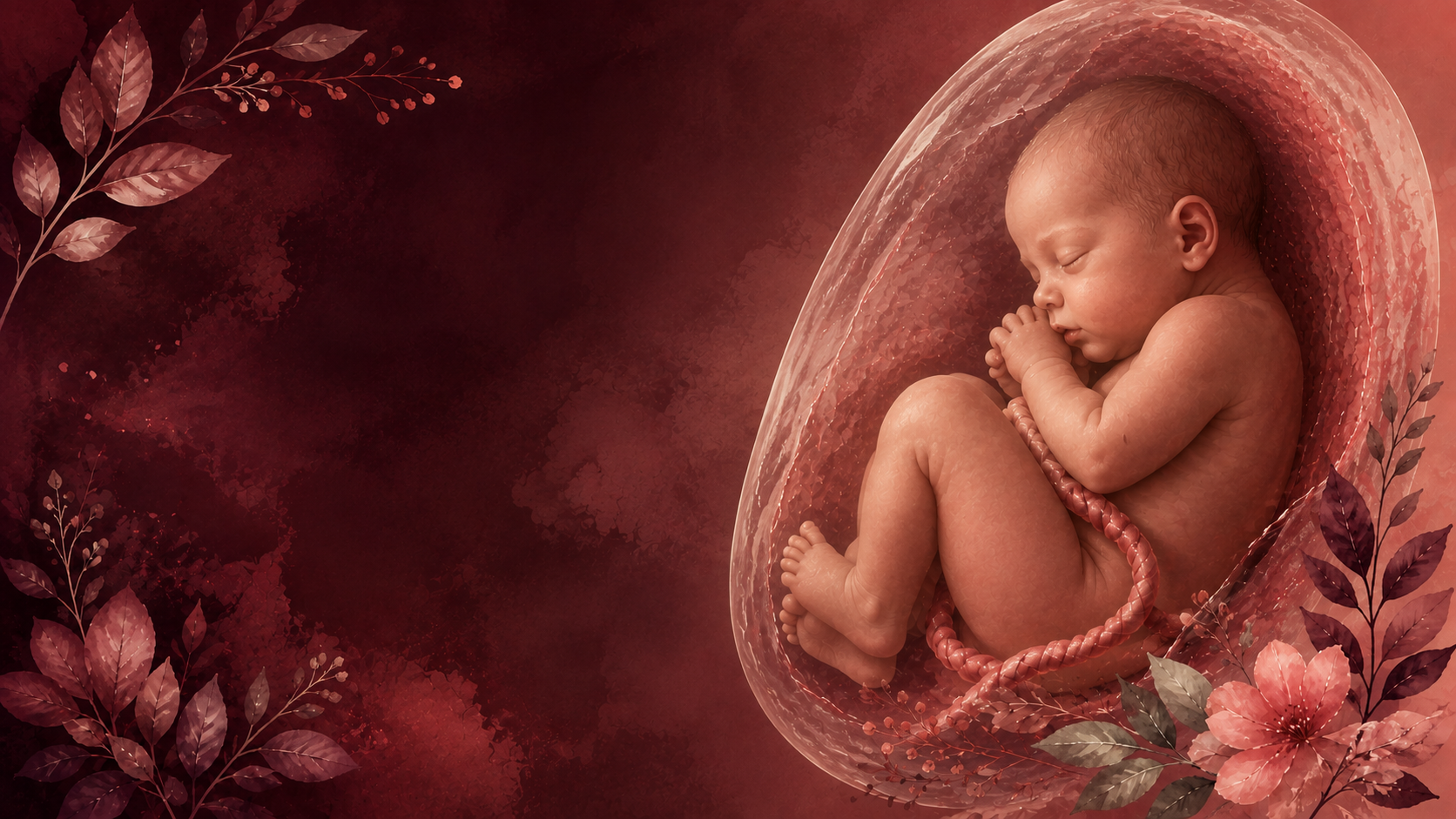
Stages of Fetal Development in the Third Trimester
In the second trimester, we explored how babies become undeniably real — kicking, hearing, responding. Now, in the third trimester (weeks 28–40), something equally profound happens: the baby doesn’t just grow — they prepare for life outside the womb. Brain development accelerates. Lungs mature. Every week of development matters not just for survival, but for thriving.
When a woman walks into one of our clinics in her third trimester, she’s carrying more than a baby — she’s carrying a human life and the weight of choices. Understanding what’s happening in her body during these final weeks helps us meet her with the truth she needs, the compassion she deserves, and the support that can still change everything.
Third Trimester at a Glance
Pregnancy Weeks: 28–40
Major Development: Rapid brain growth, lung maturation, weight gain and strengthening reflexes
What Baby Can Do: Hear and respond to sounds, open and close their eyes, practice breathing movements, suck and swallow
Preparing for Birth: The immune system strengthens, body fat increases and major organ systems prepare to function outside the womb
By Full Term: The baby is fully developed and ready for birth
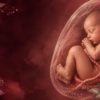
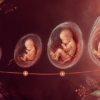
Third Trimester Pregnancy Timeline
During the third trimester, the focus shifts to rapid brain development, lung maturation, weight gain, and preparing for birth.
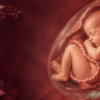
Between weeks 28 and 40, a baby continues growing stronger every day. Organs mature, reflexes become more coordinated, and the body stores fat to help regulate temperature after birth. By the end of this trimester, a baby is fully developed and ready to enter the world.
Weeks 28–31: Growing Stronger
During the beginning of the third trimester, a baby’s brain develops rapidly, creating millions of new neural connections. The lungs continue maturing while bones are fully developed but remain soft enough to allow for birth.
- Rapid brain growth
- Lungs continue maturing
- Eyes open and close
- Baby begins regulating body temperature
- Stronger kicks and movements
Weeks 32–35: Putting on Weight
A baby begins gaining weight quickly as layers of body fat develop beneath the skin. This fat helps keep your baby warm after birth while giving the skin a smoother appearance.
As space inside the uterus becomes more limited, movements may feel different, although babies remain active.
- Rapid weight gain
- Body fat increases
- Skin becomes smoother
- Fingernails reach fingertips
- Most babies begin turning head-down
Weeks 36–38: Nearly Ready
Most major development is complete. During these weeks, the lungs continue their final stages of maturation while the immune system receives antibodies from the mother that help protect her baby after birth.
- Lungs approach full maturity
- Immune system strengthens
- Grip becomes stronger
- Baby practices breathing movements
- Hair and nails continue growing
Weeks 39–40: Full Term
By full term, a baby’s organs are fully developed and ready to function outside the womb. The brain continues growing rapidly—even after birth—but all major body systems are prepared for life beyond the uterus.
- Organs fully mature
- Brain continues developing
- Strong sucking and swallowing reflexes
- Coordinated breathing movements
- Ready for birth
When are babies considered full term?
A pregnancy is considered full term at 39–40 weeks, when the baby’s major organs have fully matured.
Why do babies gain so much weight during the third trimester?
Body fat helps babies regulate their temperature, provides energy after birth, and supports healthy growth during the newborn period.
Does brain development stop at birth?
No. While tremendous growth occurs before birth, the brain continues developing rapidly throughout infancy and childhood.
What happens if a baby is born before 37 weeks?
Babies born before 37 weeks are considered premature. Depending on how early they are born, they may need additional medical support while their lungs, feeding skills, and other body systems continue developing.